Behind the Brand
About Greg
Gregory Taylor has spent nearly two decades building, scaling, and selling in the startup trenches. He's personally closed millions in new business deals and has been instrumental in building the products, partnerships, and strategic positioning behind over $125 million and counting in exits and acquisitions.
From employee #7 to global senior leadership, Gregory has built products that are still used by millions globally, winning Apple's App of the Day, App of the Week, and Product Hunt's #1 spot. But his real impact comes from combining cognitive and behavioral science with startup execution, helping teams shift their mindset, master the chaos, and build exceptional products without burning out.
With a master's in Design grounding him in systems thinking, Gregory was designing for the iPad before Apple announced it, and before the device even had an official name. Working directly with Apple and Google representatives on flagship products for emerging platforms, he personally crafted the user experience for The Economist's first iPad app and The Telegraph's (one of Britain's oldest and most influential newspapers) groundbreaking tablet experience—products that pioneered the tablet publishing revolution and built subscriber bases now numbering in the millions.
He's scaled distributed teams across continents, created the frameworks that transformed how companies hire and grow, and has unified global operations through methodologies grounded in how humans think and work. He's repositioned companies for acquisition, turning founder vision into investor reality.
After hiring hundreds and being let go twice himself, Gregory discovered what separates those who thrive from those who burn out: mastering ARC—Attitude, Relationships, and Competence. His journey from 48-hour prototype sprints to stress-induced hospital visits revealed the patterns that matter.
Gregory lives in London with his beloved wife and a slew of technology devices, where he paints and sells large-format artworks when not helping startup employees globally. His mission: Using tech for good by building a healthier startup ecosystem where success rates rise beyond 10%. When the overlooked operators thrive, the entire ecosystem wins: more climate solutions, more AI innovation that serves humanity, more tools that let small teams compete. More jobs, less burnout, more human flourishing at the exact moment we need distributed innovation most.
Start Here
The human playbook
for an AI world
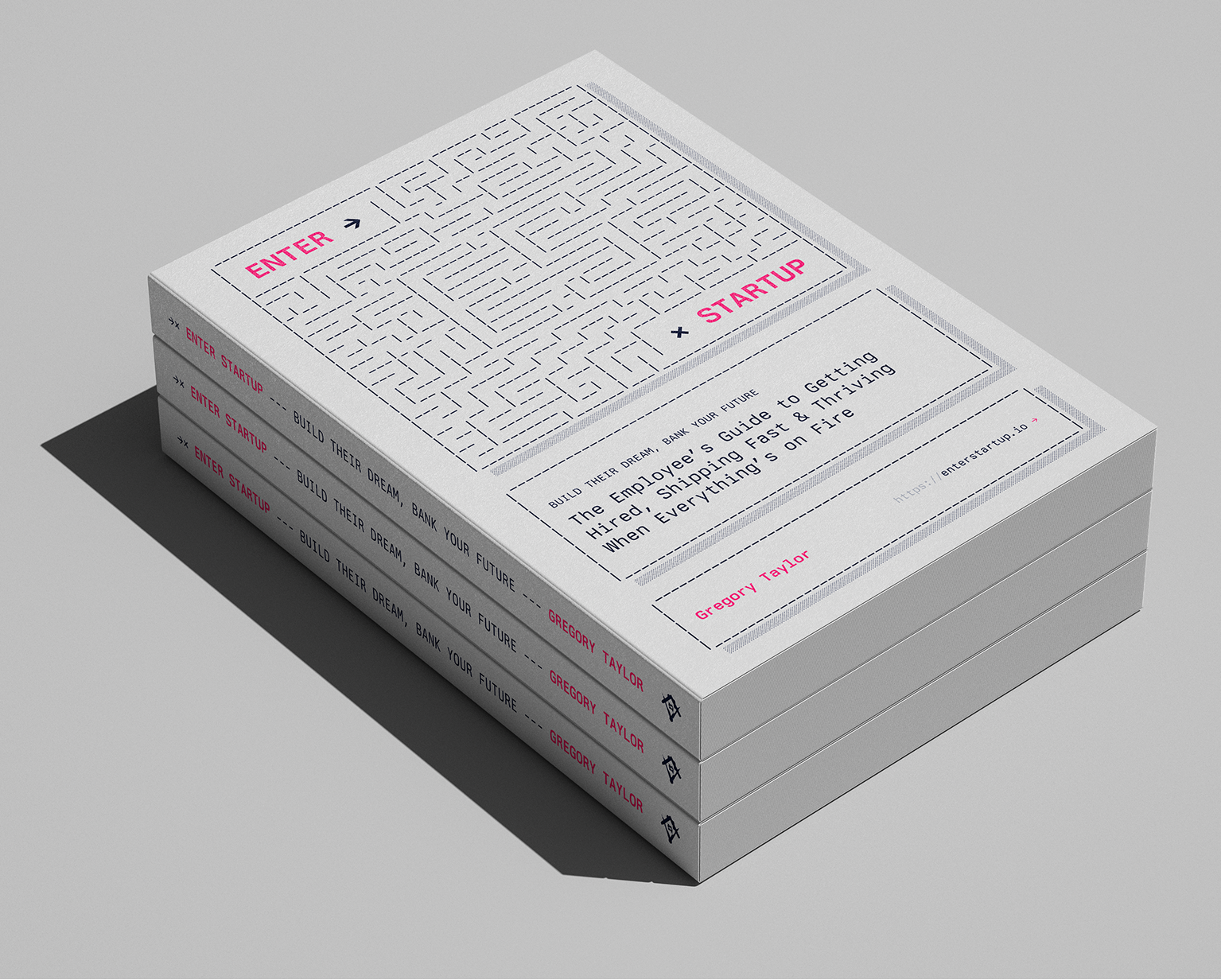
The complete system for getting hired, shipping fast, and thriving when everything's on fire. The human skills AI can't replace. Backed by science.
Get the Book →